Discovering Bright Almond: A Typeface for Modern Elegance
Every designer knows the moment: you're scrolling through font libraries, searching for that one typeface that feels both fresh and timeless, something that can carry a brand's voice without shouting. You need a font that balances sophistication with approachability, that looks equally stunning on a wedding invitation and a premium product label. This is where Bright Almond enters the conversation—a modern serif typeface that brings a distinctive blend of classic structure and contemporary flair to any creative project.
A Font with Personality
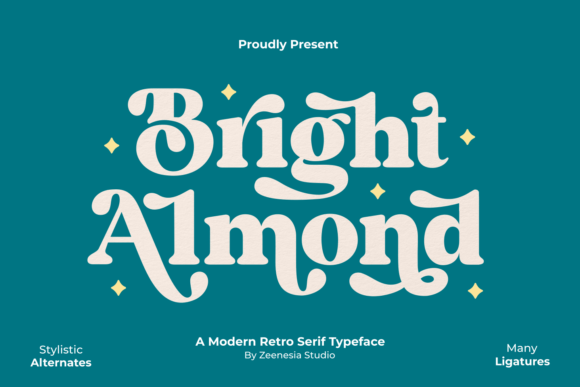
What sets Bright Almond apart from the sea of available typefaces? It starts with its visual character. This isn't your grandmother's serif font, nor is it a cold, geometric sans serif. Instead, it occupies a thoughtful middle ground. The letterforms feature elegant, slightly condensed proportions with refined serifs that feel intentional rather than ornamental. There's a subtle warmth in its curves and a confident rhythm in its spacing that makes text feel inviting.
The typeface carries an air of quiet luxury. Think of a high-end boutique's branding, the masthead of a design-forward magazine, or the title card of an independent film. It communicates quality and taste without relying on excessive decoration. For designers working on projects that need to feel polished yet approachable, this balance is invaluable.
Where This Typeface Truly Shines
The versatility of a premium font like Bright Almond is one of its greatest strengths. It adapts gracefully across different mediums and contexts, which makes it a practical choice for professionals juggling multiple projects.
Branding and Logo Design: A typeface is often the first impression a brand makes. Bright Almond works beautifully for businesses that want to project elegance—think boutique hotels, artisan food brands, skincare lines, or fashion labels. Its clean lines ensure legibility at various sizes, while its personality helps a logo stand apart from competitors using overused fonts.
Packaging and Product Design: On shelf displays and unboxing experiences, typography matters more than most people realize. This font's refined presence makes it ideal for product packaging where you want to convey craftsmanship and attention to detail. Whether it's printed on a matte box, embossed on a bottle, or foil-stamped on a label, it maintains its clarity and charm.
Editorial and Print Layouts: Magazine spreads, book covers, and annual reports benefit from a typeface that commands attention without overwhelming accompanying imagery. Bright Almond handles headlines and pull quotes with confidence, and its readability holds up well in shorter body text passages when used thoughtfully.
Digital Applications: From website headers to social media graphics, this font translates well to screens. Its clean geometry renders crisply at various resolutions, making it a reliable choice for blog titles, email newsletters, and digital ads. Content creators and bloggers looking to establish a cohesive visual identity across platforms will find it particularly useful.
Invitations and Event Materials: Wedding stationery, gala invitations, and event programs call for typefaces that feel special. The elegant personality of this typeface lends itself perfectly to these occasions, striking the right tone between formal and modern.
Merchandise and Marketing Assets: Tote bags, mugs, posters, and promotional materials need fonts that look good at both small and large scales. A well-designed display font like Bright Almond ensures that branded merchandise feels intentional and professional, whether it's a small tagline on a product or a bold statement on a poster.
Strengthening Your Brand's Visual Language
Consistency is the backbone of effective branding. When a business uses the same typeface across its website, packaging, social media, and print materials, it builds recognition. Customers start associating that visual style with the brand's values and quality. Choosing a typeface with enough versatility to handle multiple roles—from headlines to subheadings to supporting text—simplifies this process considerably.
Bright Almond's range of weights and styles supports this kind of systematic approach. A brand might use a bold weight for primary headlines, a regular weight for subheadings, and a lighter style for captions or secondary information. This hierarchy creates visual order, making content easier to scan and more pleasant to engage with.
Professional presentation also plays a role in audience trust. There's a noticeable difference between a website that uses a default system font and one that employs a thoughtfully selected premium font. The latter signals that someone cared enough to consider every detail, which can influence how potential customers perceive a business's credibility.
Practical Tips for Working with Bright Almond
Choosing a font is only the first step. Using it well requires some consideration of context and pairing.
Consider Your Project's Mood: Before committing to any typeface, clarify the feeling you want to evoke. Bright Almond leans toward sophistication and modernity, so it pairs well with projects that aim for a clean, upscale aesthetic. If your brand personality is playful and irreverent, you might use it sparingly as a contrast element rather than a primary font.
Test Font Pairings: No font works in isolation. Pair Bright Almond with a complementary sans serif for body text to create visual interest and improve readability in longer passages. A simple, geometric sans serif often provides a clean counterbalance to the serif's personality. Spend time experimenting with combinations before settling on a final pairing.
Review the Included Styles: A quality font family typically includes multiple weights, italics, and sometimes alternate characters. Take the time to explore what's included. You might discover that a condensed or light version works better for a specific application than the weight you initially planned to use.
Test Across Mediums: A font that looks perfect on your computer screen might behave differently in print or on a mobile device. Always test your typography in the environments where it will actually appear. Check readability at small sizes, ensure contrast against background colors, and verify that special characters render correctly.
Understand Licensing: If you're using the font for commercial purposes—client work, products for sale, or business branding—make sure your license covers that use. Most premium fonts come with clear licensing terms, but it's worth confirming before launching a project to avoid complications later.
A Thoughtful Addition to Your Design Toolkit
Finding the right typeface often feels like searching for a missing puzzle piece. It needs to fit your project's goals, resonate with your audience, and work reliably across different applications. Bright Almond offers a compelling combination of modern elegance and practical versatility that makes it worth considering for a wide range of creative work. Whether you're building a brand identity from scratch, refreshing a website, or designing a set of marketing materials, having a dependable and visually appealing typeface in your toolkit simplifies the process and elevates the result. Take the time to experiment with it, explore its styles, and see how it fits into your next project.