Cafock Molline: A Serif for Modern Branding and Editorial Grace
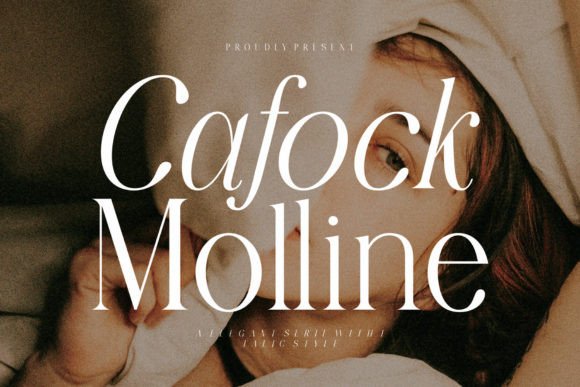
There is a particular kind of typography that feels both familiar and fresh, as if it has always existed yet is perfectly suited for today. Cafock Molline is that kind of typeface. It doesn’t scream for attention, but it holds it with a quiet, confident presence. Imagine the refined elegance of a classic book cover merged with the clean sophistication of a contemporary luxury brand. That’s the space Cafock Molline occupies. It’s a premium serif font designed for projects that demand a touch of timeless class without feeling outdated. Whether you’re a designer crafting a brand identity, an entrepreneur developing packaging, or a blogger creating digital content, this font offers a versatile foundation that elevates your work from ordinary to memorable.
Where Timeless Meets Contemporary
The visual appeal of Cafock Molline lies in its balanced proportions and sleek, confident lines. It avoids the heavy, sometimes stuffy feel of some traditional serifs, yet it retains the structural clarity and readability that make serif fonts so enduring. The letterforms are carefully crafted with a modern sensibility—sharp enough to feel current, but with enough subtle curves and details to exude warmth and approachability. This duality makes it incredibly adaptable. It can feel authoritative and serious for a financial firm’s website, yet also feel inviting and stylish for a high-end skincare label. The font family likely includes a range of weights and styles, from a delicate light for subtitles to a bold, impactful version for headlines, giving you a full toolkit for visual hierarchy.
This kind of modern typography is a strategic asset. In branding, consistency is king. Using a single, well-designed typeface like Cafock Molline across your logo, website, social media graphics, and print materials creates a cohesive visual language. This builds brand recognition far more effectively than using a mishmash of different fonts. Your audience starts to associate that specific typographic style with your business, which strengthens your professional presentation and builds trust. It’s a subtle but powerful form of communication.
Practical Applications for Creative Projects
So, where exactly can you put Cafock Molline to work? The applications are nearly endless, which is the hallmark of a truly useful design asset. Let’s break down some real-world scenarios.
For Branding and Logo Design: A logo sets the tone for everything. Cafock Molline’s elegance makes it a superb choice for brands in the luxury, lifestyle, editorial, or artisanal space. Think boutique hotels, independent publishers, gourmet food brands, or bespoke furniture makers. Its clarity ensures it remains legible even when scaled down for a favicon or a social media profile picture.
For Editorial and Publishing: If you’re designing a magazine layout, a book cover, or a blog, this serif font excels. Its readability in body text is crucial for long-form content, keeping readers engaged without causing eye strain. For headlines, a bolder weight commands attention while maintaining the overall aesthetic. Pair it with a clean sans serif for captions or pull quotes to create dynamic contrast.
For Packaging and Print: Product packaging needs to stand out on a shelf and convey quality instantly. Cafock Molline brings a premium feel to labels, boxes, and shopping bags. It’s equally effective for business cards, brochures, and wedding invitations, where a sense of occasion and refinement is desired. The font’s structure ensures text on print materials is crisp and professional, even at smaller sizes.
Digital Presence: Your website and social media are often the first points of contact with customers. Using this typeface for your web design establishes credibility from the first click. It renders beautifully on screens, maintaining its elegance whether viewed on a desktop or a smartphone. For social media graphics—quotes, announcements, promotional posts—it provides a consistent, recognizable look that can boost audience engagement. It turns a simple Instagram post into a piece of branded content.
Making Smart Typography Choices
Choosing a font is more than just picking something that looks nice. It’s about matching typography to your project’s goals and your audience’s expectations. Before downloading any new font, ask yourself: What is the core personality of my brand or project? Is it classic, modern, playful, serious, luxurious, approachable? Cafock Molline leans toward sophisticated and modern, so if your brand’s voice is whimsical or ultra-casual, it might not be the perfect fit.
Once you’ve selected a typeface, the next step is font pairing. A single font can carry a design, but combining two creates rhythm and hierarchy. A general rule is to pair a serif with a sans serif. For example, use Cafock Molline for your main headings and a simple, geometric sans serif for your body copy or vice versa. The key is contrast in style, not conflict. Avoid pairing two very similar serifs, as they’ll compete rather than complement. Always test your pairings in context—see how they look in a mock-up of your website header or a sample social media post.
Don’t overlook the practical details. Review all the included font styles (regular, italic, bold, etc.) to understand your full range of options. Check the commercial licensing terms carefully. A font for personal use is different from one for a client project or a product you’ll sell. Ensuring you have the correct license for your intended use is non-negotiable for professional work. Finally, always prioritize readability. A beautiful font loses all its value if people struggle to read your message. Test your chosen typeface at various sizes and on different backgrounds to ensure clarity.
Elevating Your Visual Communication
In the end, typography is the voice of your design. Choosing a thoughtful, high-quality typeface like Cafock Molline is an investment in your project’s visual integrity. It’s a tool that helps you communicate more effectively, build a stronger brand identity, and present your work with the professionalism it deserves. It’s not about following a trend, but about selecting a design asset that has the depth and versatility to grow with your projects. By focusing on how a font serves your specific goals—whether that’s selling a product, telling a story, or building a community—you make a choice that’s both aesthetically pleasing and strategically sound.