Small: The Versatile Typeface for Sophisticated Projects
There’s a particular quiet confidence in a design that doesn’t need to shout. It’s the clean edge of a well-made business card, the balanced layout of a magazine spread, the logo that feels both modern and timeless. Achieving that kind of polished professionalism often starts with a single, crucial choice: the typeface. For creators who value sophistication without pretension, the Small font emerges as a compelling tool. It’s a typeface that understands the nuance between being noticed and being remembered, offering a refined clarity that serves a multitude of creative visions.
A Design That Balances Character and Clarity
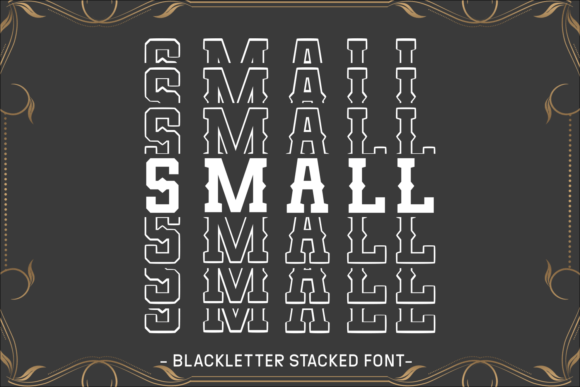
At its core, Small is a display font with a distinctly rounded design. This isn’t just a stylistic choice; it’s a functional one. The softened terminals and gentle curves give it a friendly, approachable personality, which is invaluable for brands looking to connect with their audience on a human level. Yet, this warmth is carefully balanced with a strong, clean structure. Each letterform feels authentically designed, with consistent weight and thoughtful spacing that ensures excellent readability across sizes.
This duality makes it incredibly versatile. It can feel contemporary and sleek when used for a tech startup’s branding, or warm and artisanal when applied to packaging for a handmade skincare line. The font avoids the stark rigidity of some geometric sans-serifs while steering clear of overly decorative scripts that can limit its use. It occupies a sweet spot, making it a practical premium font for designers who need one typeface that can adapt to many contexts without losing its core identity.
Practical Applications: From Screen to Print and Beyond
The true test of any typeface is how it performs in the wild. Small excels because its design is rooted in real-world application needs. Consider its role in brand identity. A logo set in Small gains instant legibility and a modern aesthetic. Its clean lines ensure it reproduces flawlessly on everything from a website favicon to a large-format billboard, helping to build consistent brand recognition.
For packaging design, the font’s rounded nature can soften the overall look, making products feel more accessible and less corporate. It pairs beautifully with minimalist layouts, allowing product information to be clear and inviting. In editorial design, such as for book covers or magazine articles, it can be used for headlines and pull quotes to add a touch of modern typography without distracting from the body copy. Its presence on a greeting card or an invitation feels thoughtfully crafted, not generic.
Digital spaces are where Small truly shines. For web design and blogs, its high readability on screen is a major asset. It renders crisply on mobile devices and desktop monitors alike. As a creative font for social media graphics, it helps create a cohesive visual feed. Whether it’s for Instagram stories, Pinterest pins, or Facebook ads, using Small consistently can make your content instantly recognizable. It’s also a fantastic choice for digital products like e-books, worksheets, and online course materials, where clarity is paramount.
Enhancing Your Creative Toolkit and Process
Integrating a new font into your workflow is about more than just swapping one for another. It’s about expanding your creative vocabulary. Small often comes in a family of styles—perhaps a regular, medium, and bold weight. Reviewing these included styles is the first step. The regular weight might be perfect for body text on a website, while the bold can create impactful marketing assets like posters or sale banners.
A key piece of practical advice is to always test font pairings. Small’s versatile nature means it can pair well with a variety of other fonts. Try it with a classic serif font for a contrast that feels both authoritative and approachable, perfect for a law firm’s rebranding. For a more unified, contemporary look, pair it with a clean sans serif font. The goal is to create a visual hierarchy that guides the viewer’s eye, and Small can serve as either the headline or supporting actor in that relationship.
Always consider the context of your project. Is your goal to evoke tradition or innovation? A playful handwritten font might be fun for a children’s party invitation, but Small’s sophisticated yet friendly tone could be better for a professional event or a boutique’s branding. Before finalizing any design, print a sample or view it on multiple devices to check for readability and overall feel. This simple review process ensures the font works for your specific audience and medium.
Making a Smart Investment in Your Visual Language
For entrepreneurs and small business owners, every design asset is an investment. Choosing a commercial font like Small is a strategic decision. It’s not an expense; it’s a tool for building equity in your brand. A consistent, professional typeface used across all your touchpoints—from your website and invoices to your merchandise and social media—builds a cohesive world around your business. This visual consistency is what transforms casual viewers into loyal customers who recognize and trust your brand’s look and feel.
Furthermore, the right font can significantly improve audience engagement. Text that is easy and pleasant to read keeps people on your page longer, whether it’s a blog post, a product description, or an “About Us” story. The approachable clarity of Small can make your content feel more welcoming, encouraging visitors to read, click, and convert. It’s a subtle but powerful element of your user experience.
When you select a font like Small, you’re doing more than just picking letters. You’re choosing a voice for your project. Its blend of sophistication, warmth, and versatility makes it a robust addition to any designer’s or creator’s toolkit, capable of elevating a wide array of projects with its quietly confident character.