Mortir: Capturing the Spirit of Metal in Visual Form
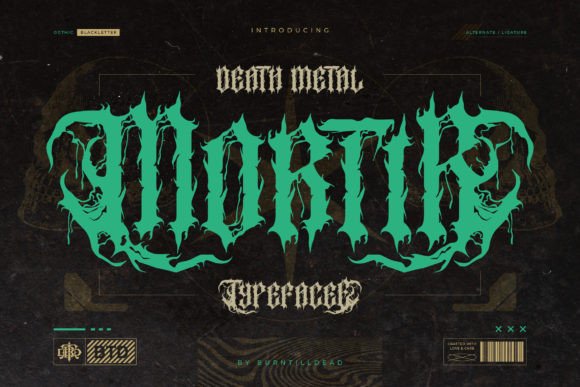
When you think of death metal, what comes to mind? The raw, guttural vocals, the relentless drumming, the sheer intensity that hits you like a wall of sound. Now, imagine trying to capture that visceral energy in a visual medium. That’s precisely where the Mortir font steps in. It’s not just another display typeface; it’s a visual embodiment of the metal genre’s power and atmosphere. Designed with bold, rugged, and often sharp-edged letterforms, Mortir brings a sense of aggression and mystique to any project it touches. If you’re working on something that needs to feel heavy, atmospheric, or ominous, this font might just be the missing piece in your design toolkit.
More Than Just Jagged Letters: The Visual Personality of Mortir
At first glance, Mortir is unmistakably metal. Its characters feature twisted shapes and a brutal elegance that feels pulled straight from an album cover or a band logo. But what makes it visually appealing beyond its genre alignment? The font’s strength lies in its consistent character. Each letter, from A to Z, maintains a cohesive style that’s both menacing and strangely beautiful. The sharp angles and deliberate imperfections aren’t random; they’re crafted to create a specific mood. This isn’t a font for gentle whispers. It’s for projects that demand attention, that convey intensity, and that aren’t afraid to be bold. The aesthetic taps into the atmospheric side of black and death metal, where the visuals often tell a story of darkness, nature, or myth before a single note is played. Using Mortir instantly injects that narrative depth into your work.
Practical Applications: Where Does a Font Like Mortir Shine?
You might be wondering if such a stylistically strong font has a place in everyday design work. The answer is a definitive yes, but context is everything. Its power is best harnessed where a strong, memorable visual statement is the goal.
- Branding & Logo Design: For bands, extreme sports brands, horror-themed events, or craft breweries with a dark, edgy vibe, Mortir can form the cornerstone of a powerful brand identity. It’s a premium font choice that immediately communicates a specific audience.
- Packaging Design: Imagine this typeface on a label for a limited-edition stout, a hot sauce with a fiery name, or the packaging for a line of alternative clothing. It grabs shelf attention and sets product expectations instantly.
- Posters & Merchandise: This is Mortir’s natural habitat. Concert posters, festival lineups, and band merch (t-shirts, hoodies, patches) are where the font’s aggressive energy translates perfectly. It ensures your event or product looks authentic to the culture.
- Social Media Graphics & Websites: Used strategically, Mortir can make social media posts, headers, or website banners pop. It’s fantastic for announcing a new podcast episode about true crime, highlighting a scary movie review, or promoting a Halloween sale. The key is using it for headlines or short bursts of text where impact is more important than extended readability.
- Editorial Layouts & Digital Products: Think of a magazine feature on underground music, a chapter header in a dark fantasy novel, or the title screen for an indie video game. Mortir adds a layer of genre-specific authenticity that generic fonts can’t achieve.
It’s a creative font that serves a specific purpose. Using it for a corporate report or a children’s book would be a mismatch, but for projects leaning into horror, metal, fantasy, or gritty realism, it’s an invaluable design asset.
Integrating Mortir: Practical Tips for Effective Use
Adopting a display font with this much personality requires a thoughtful approach. Here’s how to use Mortir effectively without overwhelming your design.
Prioritize Readability in Context. Mortir is designed for impact, not for body text. Its intricate details are best appreciated at larger sizes. Use it for headings, logos, and pull quotes. For any longer text, pair it with a highly legible serif or sans-serif font. A clean sans-serif like Helvetica or a sturdy serif like Georgia can provide excellent contrast and ensure your message is clear.
Test Your Font Pairings Thoroughly. Before finalizing a project, experiment. How does Mortir look next to your chosen body font? Does the combination feel balanced or chaotic? The goal is for the fonts to complement each other, not compete. Mortir should be the star of the show, supported by a more neutral co-star.
Review the Included Styles. A good premium font often comes with more than just the basic uppercase letters. Check if Mortir includes alternate characters, ligatures, or multilingual support. These extras can add unique flair to your logos or headlines and make your work stand out. Understanding the full scope of the typeface gives you more creative tools to work with.
Consider Commercial Licensing. If you’re using Mortir for client work, merchandise for sale, or any commercial project, ensure you have the correct license. Most reputable font foundries offer different tiers (desktop, web, app, etc.). Purchasing the proper license is not only legally sound but also supports the independent designers who create these tools. It’s a professional courtesy that protects your business and your client’s projects.
Achieving Visual Consistency and Brand Recognition
For entrepreneurs and small business owners in niche markets, visual consistency is key to building brand recognition. When your audience sees a poster, a social media post, or a product with your branding, they should recognize it instantly. Using a distinctive font like Mortir as part of your brand identity toolkit can achieve this. It becomes a visual shorthand for your brand’s personality—whether that’s rebellious, mysterious, or intensely powerful. This consistency across all touchpoints, from your website to your packaging, builds familiarity and trust. It tells your audience that you understand their world and speak their visual language. In a crowded marketplace, that kind of authentic connection is priceless.
Ultimately, Mortir is more than just a collection of sharp-edged glyphs. It’s a mood, an attitude, and a gateway to a specific aesthetic. It offers designers, creators, and business owners a direct line to the visual intensity of metal culture. By understanding its strengths and applying it thoughtfully, you can harness its raw power to create work that doesn’t just get seen—it gets felt.