Graffitasi: A Typeface for Bold, Authentic Design
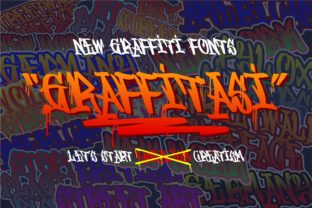
There’s a certain energy to street art that can’t be denied. It’s raw, immediate, and packed with personality. For designers and creatives, capturing that authentic urban vibe without crossing into cliché or literal vandalism can be a challenge. That’s where a thoughtfully crafted typeface like Graffitasi comes in. It’s not just a collection of letters; it’s a direct channel to that street-inspired aesthetic, built for the digital and print canvas. This unique graffiti font takes the high-art value of urban calligraphy and translates it into a versatile tool for projects that need to make a striking visual statement.
More Than Just a "Graffiti Font"
At first glance, Graffitasi presents the hallmarks of street writing: fluid strokes, dynamic angles, and a sense of movement. But look closer, and you’ll see the design intelligence behind it. This is a premium font family, meaning it’s been crafted with attention to detail, consistency, and usability. The character set is complete, offering the glyphs you need for professional work, from standard punctuation to multilingual support. It balances that raw, expressive energy with the functionality required for modern typography, making it a reliable creative font rather than a novelty.
The visual appeal lies in its versatility. It can feel bold and aggressive or artistic and elegant, depending on context and color. This adaptability is crucial for any designer looking to build a cohesive brand identity. Instead of being a one-trick pony, Graffitasi can serve as a powerful display font for headlines, a standout element in logo design, or a dynamic accent in editorial layouts. It’s this range that sets it apart from more rigid or generic typefaces.
Practical Applications for Real-World Projects
Where does a font like Graffitasi truly shine? Its value is realized across a spectrum of creative and commercial applications. For small business owners and entrepreneurs, it offers a way to inject immediate personality into a brand. Imagine a local coffee roaster using it for their packaging design—the font’s texture and attitude can communicate a hands-on, artisanal quality more effectively than words alone. A content creator might use it for YouTube thumbnails or Instagram story highlights to create a consistent, recognizable style that pops in a crowded feed.
Consider its role in marketing assets. A bold, handwritten font style like this can increase the impact of a social media graphic, making a call-to-action or a key message impossible to scroll past. For event invitations or poster design, it sets a specific tone—think streetwear brand launches, music festivals, or urban art exhibitions. Even in more traditional print materials like business cards or menus, a judicious use of Graffitasi for headings can add a layer of contemporary flair and memorability.
Here’s a quick list of projects where this typeface can be effectively deployed:
- Brand Identity & Logo Design: Creating a memorable mark for brands targeting a youthful, creative, or urban audience.
- Packaging & Merchandise: Adding tactile appeal to product labels, tote bags, or apparel.
- Digital & Social Media: Designing eye-catching graphics for posts, ads, stories, and banners.
- Editorial & Blogging: Styling blog headers, pull quotes, or magazine layouts for a modern edge.
- Web Design: Using as a standout headline font on a website to establish immediate mood and personality.
- Marketing Collateral: Enhancing flyers, posters, and digital ads with a high-energy visual element.
Integrating Graffitasi Into Your Design Workflow
Adopting any new display font requires a strategic approach. The key is to match the typography to your project’s goals. Graffitasi is inherently expressive, so it’s best used for emphasis rather than for long blocks of body copy, where readability is paramount. Think of it as the star of the show in headlines or as a supporting accent for subheadings and quotes. Pairing it correctly is essential. It often finds a natural companion in clean, neutral sans serif fonts or even classic serif fonts for body text, creating a balanced and professional presentation.
Before finalizing, always test font pairings and layouts. How does the Graffitasi headline look next to your chosen body font? Does it maintain clarity at the size you intend to use it? Review the included font styles—this family often comes with multiple weights or alternate characters, which can provide valuable flexibility. For instance, a slightly less ornate weight might work better for smaller text sizes, preserving the brand’s personality without sacrificing legibility.
One of the practical bonuses mentioned with Graffitasi is the inclusion of design assets like edited stickers, extra splatters, and swashes in Adobe Illustrator format. These are not just throwaway extras; they are valuable design assets. They allow you to extend the font’s aesthetic beyond the letters themselves, creating cohesive illustrations, logos, or decorative elements that feel integrated. This can save significant time in the design process and ensure visual consistency across all brand touchpoints.
Considering the Details for Professional Use
For any commercial project, licensing is a non-negotiable consideration. Graffitasi is marketed as a commercial font, which means it’s licensed for use in projects where you generate revenue, such as client work, merchandise for sale, or monetized content. Always review the specific license agreement that comes with your purchase to understand the scope of use. This is a standard part of professional practice and protects both you and the font creator.
Ultimately, the goal of any font is to communicate effectively and enhance the user experience. Graffitasi excels at grabbing attention and conveying a specific mood. It helps improve audience engagement by offering a visual hook that is distinctive and full of character. For a designer, it’s another powerful tool in the kit—a way to solve visual communication problems and build brands that resonate on an emotional level. It’s a testament to how modern typography continues to evolve, drawing inspiration from the world around us to create tools that are both beautiful and functional.