Patternline: A Quirky Dingbats Font for Creative Projects
There’s a certain kind of magic in a design element that doesn’t just sit there but actively contributes to the story. I’m talking about those small, often overlooked details that transform a good layout into a memorable one. When you’re building a brand identity, crafting wedding invitations, or launching a new product line, the difference between generic and exceptional often lies in the personality you inject. This is where a tool like Patternline, a dingbats font with a distinctly quirky theme, becomes more than just a collection of symbols—it becomes a secret weapon for visual storytelling.
Beyond Standard Symbols: The Visual Appeal of Quirky Dingbats
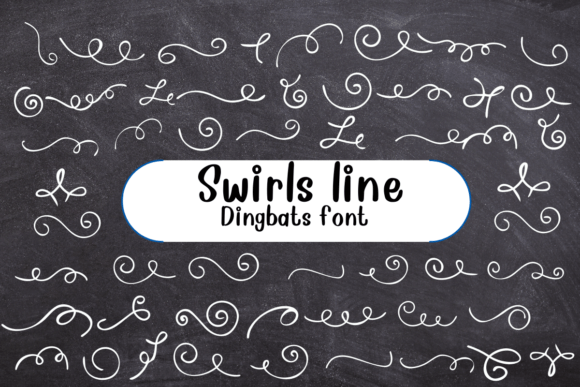
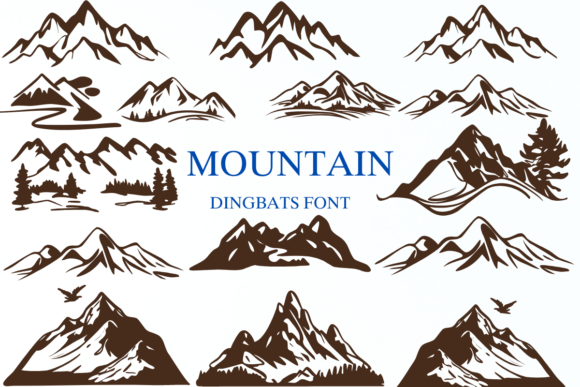
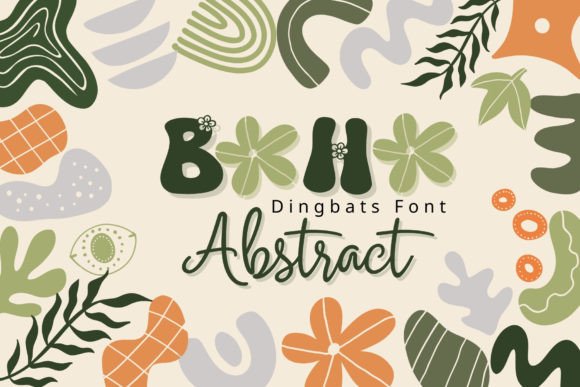
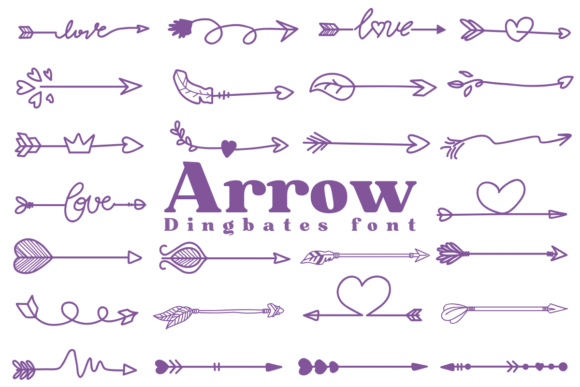
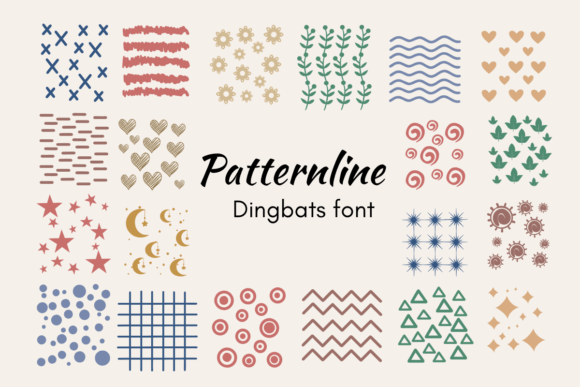
Forget the predictable hearts, stars, and arrows that come with every standard font package. Patternline is built around a curated set of illustrations that feel hand-drawn, playful, and full of character. Think of motifs that might include whimsical botanicals, abstract shapes, charming animals, or geometric patterns with a twist. This isn’t about utility; it’s about expression. The visual appeal lies in its ability to add a layer of artisanal charm or modern whimsy without overwhelming the primary text. It’s a premium font in the sense that it offers a cohesive, designer-quality set of graphics that can be scaled, colored, and used like any typographic element, ensuring perfect consistency across your entire brand identity.
Practical Magic: Where Quirky Typography Truly Shines
The real value of a creative font like this is unlocked in application. It’s one thing to admire a set of charming icons; it’s another to see how they solve real design challenges and create opportunities.
- Branding & Logo Design: A logo sets the tone, but supporting elements build the world. Use Patternline symbols as secondary brand marks, patterns for backgrounds, or decorative dividers on your website and business cards. For a boutique bakery, a quirky whisk or cupcake symbol can become as recognizable as the main logotype, reinforcing the brand’s playful personality.
- Packaging & Merchandise: In a crowded marketplace, packaging needs to tell a story at a glance. Dingbat symbols can create unique borders, label accents, or all-over patterns for boxes, tissue paper, and shopping bags. For a small-batch skincare line, a series of botanical dingbats can visually communicate the natural ingredients inside, enhancing the unboxing experience.
- Digital Presence & Social Media: Consistency is key online. Using the same set of quirky icons for Instagram highlights, story templates, blog post headers, or email newsletter banners creates a visually unified feed that followers instantly recognize. It’s a simple way to maintain visual consistency and boost brand recognition across platforms.
- Print & Editorial Design: From wedding invitations to event posters and magazine layouts, these symbols add a touch of personality. Imagine a travel blog using a tiny, Patternline airplane icon as a bullet point, or a wedding suite using a delicate floral dingbat to frame the couple’s names. It elevates the professional presentation and makes the piece feel custom-designed.
- DIY, Crafts, and Personal Projects: This is where the font’s quirky heart really beats. Use it to design custom stamps, create embroidery patterns, decorate planners and journals, or make unique party decorations. The ability to type a symbol and instantly have a scalable vector graphic is a game-chers for crafters and hobbyists.
Making It Work: Smart Integration for Maximum Impact
Introducing a specialty font like Patternline into your workflow requires a bit of strategy to ensure it enhances, rather than clutters, your designs. Here’s how to make it work effectively.
Choose the Right Context: Not every project calls for quirky. Assess the tone of your project. A corporate financial report probably isn’t the place, but a children’s book, a indie music festival poster, or a lifestyle brand’s social media campaign absolutely is. Match the font’s personality to your project’s goals and audience expectations.
Master the Art of Font Pairing: Patternline will likely be your display font for accents, not your body copy. The key is to pair it with a clean, highly readable companion. A strong sans serif font or a classic serif font for headlines and paragraphs will provide a perfect counterbalance. The contrast allows the quirky dingbats to pop without creating visual chaos. Test pairings by seeing how the symbols look alongside your chosen body text in a mock-up.
Respect Readability and White Space: Just because you *can* fill every corner with a pattern doesn’t mean you should. Use the symbols as strategic accents—a rule divider, a bullet point, a small corner ornament. Allow them breathing room. The most professional use of a display element is often the most restrained. Ensure any text placed near or over a Patternline pattern remains legible.
Review Your License and Styles: Before you dive in, check what’s included. Does the font offer multiple styles, like a filled and an outline version? Are there different weights or sets? Understanding the full toolkit helps you use it more creatively. Also, confirm the commercial font licensing covers your intended use, whether for client work, merchandise for sale, or digital products. This is a crucial step for any designer or creative entrepreneur.
A Tool for Connection, Not Just Decoration
Ultimately, Patternline and fonts of its kind offer something valuable in our visually saturated world: a way to connect through personality. In an era of templated designs, a thoughtfully chosen, quirky typeface can be the fingerprint that makes your work feel human, approachable, and distinct. It’s not about being the loudest in the room, but about being remembered for a specific, charming detail. Whether you’re a small business owner building your first brand kit, a content creator looking to define your aesthetic, or a designer searching for that perfect finishing touch, exploring the world of thematic dingbats is a practical step toward more engaging, cohesive, and heartfelt design. The right quirky element might just be the thread that ties your entire creative vision together.