Celebrate World Emoji Day with Dingbat Typography
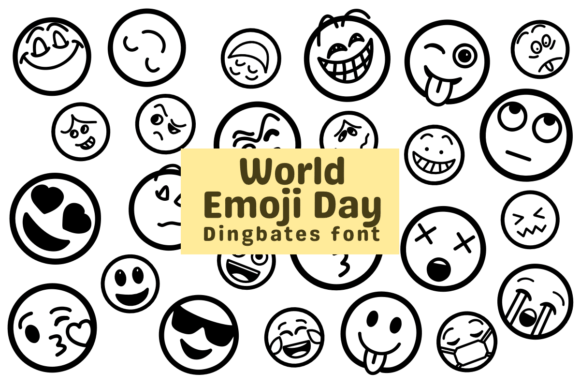
Every year on July 17th, we celebrate World Emoji Day, a nod to the tiny pictographs that have fundamentally changed how we text, tweet, and market. But while most people are busy sending the party popper icon to their friends, designers and brand strategists are looking at emojis from a different angle. They are realizing that the visual language of the emoji—its bright colors, universal recognition, and playful geometry—can be harnessed as a serious design asset. Enter the realm of the dingbat font. This isn't just about using a smiley face in a text message; it is about adopting a typeface where every letter of the alphabet is replaced by a distinct, scalable graphic. For the creative entrepreneur or the seasoned graphic designer, this offers a unique bridge between the casual fun of digital communication and the rigid requirements of vector-based branding.
Beyond Text: The Visual Power of Dingbat Typefaces
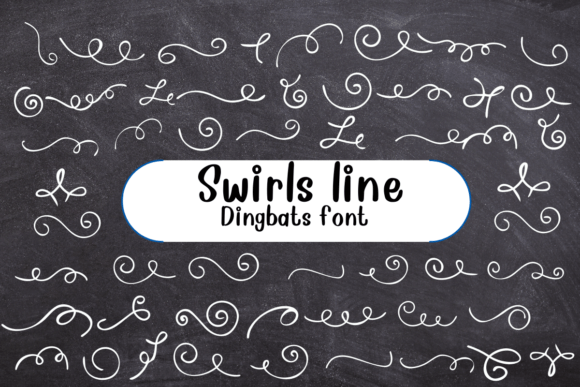
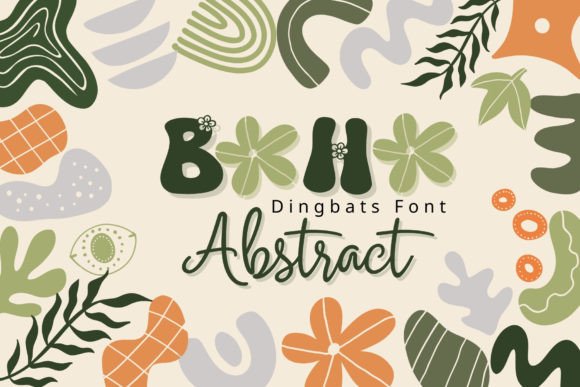
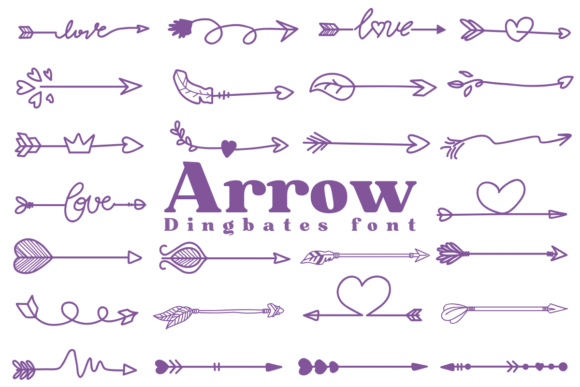
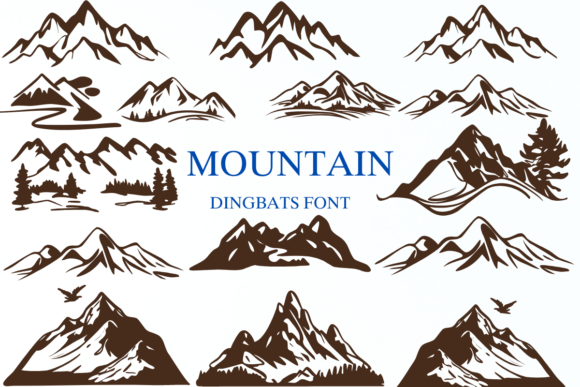
To understand the value of a dingbat font, we have to look past the novelty and see the mechanics. A premium dingbat typeface is essentially a vector library packaged as a font file (.OTF or .TTF). When you type the letter "A," you don't get a serif or sans-serif glyph; you get a scalable icon. This is a game-changer for workflow efficiency. Instead of hunting through stock vector sites or tracing low-resolution PNGs, you can type out a comprehensive icon set directly from your keyboard. This method ensures that every icon shares a consistent line weight, a unified color palette, and a cohesive style—three pillars of professional modern typography.
The visual appeal lies in this consistency. When you are building a brand identity, you need your visual assets to look like they belong in the same family. A well-crafted dingbat font ensures that a coffee cup icon has the same visual "voice" as a shopping bag or a lightning bolt. It transforms standard keyboard keys into a toolkit for rapid prototyping and design assembly. For those working in packaging design or web design, this means you can generate custom graphics on the fly without compromising the aesthetic integrity of the project.
Strategic Applications: From Packaging to Social Media
How does this translate to real-world projects? The versatility of these design assets is surprisingly broad. Consider the small business owner launching a new product line. They need a consistent visual language across their packaging design, their Instagram stories, and their website header. By utilizing a dingbat font, they can create a set of "badges" or "stamps" that function as a secondary visual language to their primary logo design.
- Social Media Graphics: Content creators can use these fonts to design engaging highlight covers or custom stickers that stand out from the generic stock options provided by apps. It adds a layer of "owned" content to the feed.
- Editorial Design: Bloggers and publishers can use dingbat icons to create custom bullet points, drop caps, or section dividers that break up long-form text and improve readability.
- Merchandise and Invitations: For crafters and hobbyists, these fonts turn a standard invitation into a playful experience. For merchandise, you can spell out names or slogans using icons, creating a texture-heavy graphic perfect for screen printing.
- Marketing Assets: Marketers can use these symbols to highlight key benefits in an infographic, creating a visual shorthand that communicates complex ideas quickly.
The key here is that you are not just decorating; you are communicating. In the spirit of World Emoji Day, you are using imagery to convey emotion and meaning faster than text ever could, but with the sophistication of a curated typeface.
Matching Typography to Project Goals
Not all dingbat fonts are created equal, and choosing the right one requires the same scrutiny you would apply to choosing a serif font for a luxury brand or a handwritten font for a bakery. You must match the font's personality to your project's goals. Are you aiming for a whimsical, hand-drawn aesthetic? Look for a dingbat set with irregular edges and organic shapes. Are you designing for a tech startup? You will want a font with clean lines, geometric shapes, and a "flat design" look that mimics UI icons.
When reviewing included font styles, look for variety. A high-quality commercial font package often includes multiple weights or styles. One version might be solid fills, while another might be outlines. This allows you to layer the graphics. You can use the outline style for a background texture and the solid style for the foreground icon, creating depth and dimension in your design without needing advanced software skills.
Readability is another crucial consideration. While a dingbat font replaces letters with pictures, the "readability" is visual clarity. Can you instantly tell what the icon represents? If the graphics are too complex or the details are too fine, they may turn into a muddy blur when printed at small sizes on business cards or viewed on mobile screens. Always test your font pairings. A dingbat font works best when paired with a clean sans-serif font. If your background graphics are complex, your primary text needs to be simple to maintain a professional presentation.
Licensing and Workflow Integration
As with any premium font, the legal aspect of commercial licensing cannot be ignored. If you are using these icons for client work, merchandise for sale, or public-facing digital products, you must ensure you have a commercial license. "Free for personal use" does not cover business expenses. Check the licensing terms regarding the number of users (seats) and the types of media allowed.
Integrating these fonts into your workflow is where the efficiency gains are realized. Because the dingbat font installs like any other typeface, it works across Adobe Illustrator, Photoshop, Canva, Procreate, and even Microsoft Word. This universality is a massive benefit for teams with varying levels of technical skill. A social media manager who isn't an expert in vector paths can still produce on-brand graphics simply by typing a letter and changing the font color.
Ultimately, a dingbat font is more than just a collection of pictures; it is a system for visual consistency. In a digital landscape saturated with content, having a unique, recognizable set of icons can significantly boost brand recognition. It allows you to inject personality into your marketing materials without reinventing the wheel every time you need a new graphic. As we celebrate World Emoji Day, it is worth considering how the philosophy of the emoji—visual, immediate, and expressive—can be elevated through professional typography. By adopting a high-quality dingbat typeface, you are not just adding flair to your designs; you are building a more efficient, cohesive, and engaging visual identity.