Redters Brush: A Handwritten Font with Real Personality
There’s a moment in every creative project where you need typography that feels human. Not sterile, not overly polished, but something with the warmth and imperfection of a hand-drawn letter. That’s exactly where Redters Brush steps in—a handwritten typeface that carries the energy of a real brush stroke, giving your designs an authentic, approachable character that’s hard to replicate with standard fonts.
Whether you’re designing a logo for a new coffee shop, creating social media graphics for a boutique brand, or putting together packaging for artisan goods, the font you choose shapes how people perceive your work before they read a single word. Redters Brush offers that distinctive handwritten personality without sacrificing versatility, making it a strong candidate for projects where you want to connect with your audience on a more personal level.
What Makes This Handwritten Typeface Stand Out
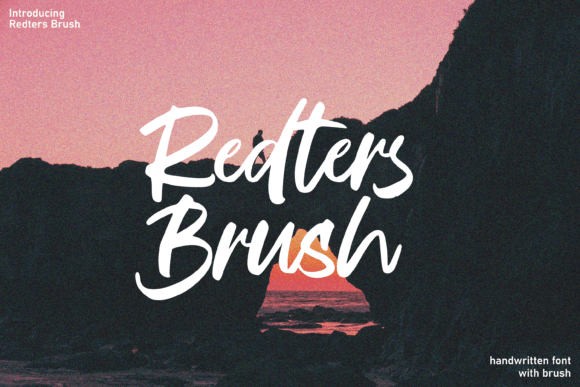
Plenty of script fonts and handwritten typefaces flood the market every year, but not all of them manage to balance character with usability. Redters Brush distinguishes itself through its natural brush texture and confident letterforms. The strokes have a hand-painted quality that feels organic rather than digitally smoothed, which gives your text a sense of authenticity that resonates with audiences tired of overly corporate visuals.
The letter spacing and baseline variation mimic real handwriting just enough to feel genuine without becoming difficult to read. This is a critical detail—many decorative fonts sacrifice legibility for style, but Redters Brush maintains a clear visual hierarchy even at smaller sizes. That means you can use it for headlines, logos, and even shorter blocks of body text in certain contexts without worrying about your message getting lost in the aesthetic.
Another practical strength is the range of styles typically included with a premium font like this. You’ll often find alternate characters, ligatures, and stylistic sets that let you customize the look of your text. These extras matter when you’re building a brand identity because they give you flexibility to create variations across different applications while keeping everything visually cohesive.
Practical Applications Across Design Projects
The beauty of a versatile handwritten font lies in how many places you can actually use it. Here’s where Redters Brush tends to shine:
- Logo design – For brands that want to convey warmth, creativity, or a handmade ethos, this typeface works beautifully as a primary or secondary logo element. Think bakeries, craft breweries, wellness studios, or independent boutiques.
- Packaging design – Product labels, box graphics, and wrapping materials benefit from handwritten typography because it signals care and craftsmanship. A font like Redters Brush can make a shelf product feel more personal than a generic sans serif.
- Social media graphics – Instagram posts, Pinterest pins, and Facebook headers all need type that grabs attention quickly. The brush script style creates visual interest and stops the scroll, especially when paired with clean photography or bold color palettes.
- Website headers and blogs – Used sparingly for headings or accent text, this typeface adds personality to web design without overwhelming the layout. It pairs well with simple sans serif body text for a balanced, modern look.
- Print materials – Business cards, flyers, brochures, and posters all benefit from a distinctive display font. Redters Brush works especially well for event invitations, workshop announcements, and promotional materials where you want a friendly, approachable tone.
- Merchandise and apparel – T-shirt designs, tote bags, mugs, and stickers often rely on bold, expressive typography. A handwritten font gives merchandise a custom, artisan feel that appeals to buyers looking for something unique.
- Editorial layouts – Magazine spreads, book covers, and zine designs can use brush script for pull quotes, chapter titles, or feature headlines to break up the visual monotony of standard serif and sans serif combinations.
- Digital products – E-books, online course materials, printable planners, and digital downloads benefit from thoughtful typography that elevates the perceived value of the product.
Matching Typography to Your Project Goals
Choosing the right font isn’t just about what looks good in isolation—it’s about what serves your specific project. Before committing to Redters Brush for a design, consider a few practical questions:
What’s the tone of your brand or project? If you’re going for relaxed, creative, artisan, or personal, a handwritten typeface fits naturally. If your brand leans corporate, technical, or ultra-minimal, you might reserve it for accent elements rather than primary text.
Where will the text appear? A font that looks stunning on a large poster might lose its charm when reduced to a 12-point caption. Test Redters Brush at the actual sizes you’ll use. Check how the brush texture reads on both screen and print—what works digitally might need adjustment for physical materials.
Who’s your audience? Younger demographics and creative communities tend to respond well to expressive typography. If your audience skews more traditional or professional, consider using the font selectively—perhaps for a logo mark or a single headline—rather than saturating every element of your design.
What fonts will you pair it with? This is where many designers stumble. A bold handwritten font like Redters Brush needs contrast to work effectively. Pair it with a clean sans serif for body text, or a simple serif for a more classic combination. Avoid pairing it with other decorative or script fonts, which creates visual clutter and undermines readability.
Building Brand Recognition with Consistent Typography
One of the most overlooked aspects of branding is typographic consistency. When you use the same typeface across your logo, website, social media, packaging, and printed materials, you create a visual thread that ties everything together. Customers start to recognize your brand not just by your logo or colors, but by the style of your lettering.
Redters Brush can serve as that consistent element for brands that want to project authenticity and creativity. The key is establishing clear rules for how and where you use it. Maybe it’s your primary headline font across all marketing assets. Maybe it appears only in your logo and tagline. Whatever you decide, stick with it across every touchpoint so your audience builds a mental association between that visual style and your brand.
This kind of visual consistency also improves professionalism. When every piece of your brand collateral looks like it belongs together—rather than a collection of mismatched design choices—people trust you more. They perceive your business as established, intentional, and worth their attention.
Practical Tips for Working with Brush Script Fonts
Before you finalize any design using Redters Brush, keep these practical considerations in mind:
- Review all included styles. Premium fonts often come with multiple weights, alternates, and stylistic variations. Explore what’s available so you can take full advantage of the typeface’s range.
- Test font pairings early. Don’t wait until the final design stage to see how your headline and body fonts interact. Set up a quick type specimen with both fonts at various sizes to confirm they complement each other.
- Prioritize readability. If your audience can’t read the text easily, the font isn’t serving its purpose. Step back from your screen and view the design at a distance, or ask someone unfamiliar with the project to read it and give feedback.
- Check your commercial licensing. If you’re using the font for client work, merchandise, or any commercial application, make sure your license covers that use. Most premium font licenses distinguish between personal and commercial use, and some have specific restrictions for products like print-on-demand or app development.
- Consider color and background contrast. Brush script fonts with textured strokes can lose definition against busy backgrounds or low-contrast color combinations. Always test your typography against the actual backgrounds where it will appear.
- Don’t overuse it. A handwritten display font is most effective when it has room to breathe. Using it for every line of text in a design dilutes its impact and can make layouts feel cluttered.
Why the Right Creative Font Makes a Measurable Difference
Typography influences how people process information and form impressions. A study from MIT found that good typography can improve reading comprehension and mood—people literally feel better when text is presented well. That’s not abstract theory; it’s practical insight for anyone creating content, products, or marketing materials.
When you choose a typeface like Redters Brush that aligns with your project’s personality and audience expectations, you’re not just making things look pretty. You’re improving engagement, building trust, and creating a visual experience that people remember. For small business owners and independent creators competing against larger brands with bigger budgets, thoughtful font selection is one of the most accessible ways to level up your visual communication.
The handwritten style of this typeface taps into a broader design trend toward authenticity and human connection. In a landscape saturated with templated, algorithmic content, designs that feel handcrafted stand out. Redters Brush gives you that handcrafted quality without requiring you to actually hand-letter every piece of content you produce—saving you time while preserving the warmth and individuality that makes your brand feel real.
Whether you’re launching a new brand, refreshing an existing one, or simply looking for a creative font that brings more personality to your next project, exploring what Redters Brush offers is worth your time. The best design choices are the ones that serve both your aesthetic vision and your practical goals—and a well-chosen handwritten typeface can do exactly that.