Glitch Code: The Distorted Typeface for Modern Brands
There is a specific type of visual energy that comes from imperfection. In a world saturated with polished, minimalist sans-serifs and predictable corporate scripts, a design that embraces a bit of digital noise can be the exact thing that stops a user mid-scroll. If you are looking to inject some raw, electric power into your creative projects, you might have just found your new secret weapon. We are talking about the kind of typography that feels like it is transmitting directly from a cyberpunk future or a high-energy dance floor.
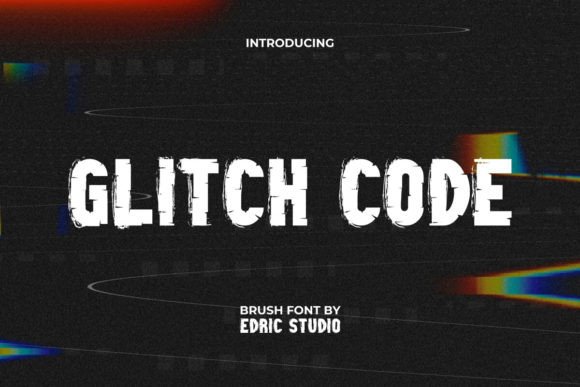
This is where Glitch Code enters the conversation. Designed by EdricStudio, this is not just another display font; it is a statement piece. Categorized as a techno sci-fi disco block display font, it takes the sturdy foundation of block letters and introduces a chaotic, yet controlled, distortion effect. Every character in this typeface carries a visual "glitch"—a fragmented, distorted look that mimics digital errors or VHS tracking issues. It is a premium font that bridges the gap between retro-futurism and modern edge.
Visual Impact in the Age of Noise
Why does a font like Glitch Code work so well in the current market? It comes down to the psychology of attention. Standard typography is designed to be invisible, allowing the reader to focus purely on the message. However, in logo design, packaging design, and social media graphics, the typography is the message. The visual characteristics of this display font communicate something specific immediately: energy, innovation, and a refusal to blend in.
The "glitch" effect is more than just a stylistic choice; it is a texture. It adds depth and grit that flat vector shapes often lack. For a creative entrepreneur or a designer, using this typeface means you don't have to add extra grunge overlays or post-processing effects to your text to make it look cool. The character set does the heavy lifting. Whether you are working on editorial design for a music magazine or creating assets for a gaming channel, the inherent style of the font sets the tone instantly.
Practical Applications: Where Distortion Meets Design
The versatility of a font like this lies in its ability to adapt to different industries while maintaining its core identity. It is a creative font that thrives in environments where standing out is a business requirement.
- Fashion and Apparel: If you are designing for a streetwear brand, a skate shop, or a high-end fashion label looking to disrupt the norm, Glitch Code fits perfectly. Imagine this font printed large on the back of a hoodie or woven into a label for menswear. It screams "urban" and "modern."
- Events and Entertainment: From Halloween parties to music festivals and nightclubs, the vibe of this font is inherently festive and electric. It is excellent for posters, flyers, and digital invites where you need to grab attention in a crowded visual landscape.
- Food and Beverage: It might sound surprising, but the food industry is embracing bolder aesthetics. Think of a coffee palace with a cyberpunk theme, a craft beer brand with experimental flavors, or a glassware line that targets a younger demographic. The font adds a layer of cool to the brand identity.
- Digital Products and Gaming: This is the natural habitat for a techno sci-fi font. Stream overlays, YouTube thumbnails, game interfaces, and fitness app branding can all benefit from the high-energy aesthetic of this typeface.
For small business owners, the challenge is often finding design assets that feel professional yet unique. You want your brand to look established, but you also want personality. By incorporating a commercial font like this into your toolkit, you are buying the ability to look like a major player without the custom commission price tag.
Typography Strategy and Brand Recognition
Using a display font effectively requires a bit of strategy. You cannot simply swap out your body copy with a glitched sci-fi font and expect it to work. That is where understanding modern typography principles comes into play.
Visual Consistency and Tone: The typeface you choose sets the emotional temperature of your brand. Glitch Code sets a temperature that is hot—energetic, fast-paced, and digital-first. If your brand voice is authoritative, calm, and traditional, this might not be the right fit. But if your voice is disruptive, youthful, and bold, this font will reinforce that message every time someone sees your logo.
Readability vs. Style: As a display font, readability is secondary to impact, but it still matters. The distortion in the characters is stylized, so it is best used for headlines, sub-headers, and large logo marks. Do not use it for long paragraphs of text. For body copy, you need to pair it with something highly legible.
Font Pairing: This is crucial. Because Glitch Code is visually complex, it pairs best with something simple and clean. A geometric sans serif font or a clean serif font makes an excellent companion. The contrast between the chaotic display font and the orderly body text creates a visual hierarchy that guides the reader's eye naturally. For example, using a clean, monospaced sans-serif for technical details alongside the glitched headers can create a "hacker" aesthetic that feels authentic.
Real-World Value for Creators and Businesses
Let’s talk about the bottom line. Whether you are a freelancer pitching to a client or a hobbyist selling crafts on Etsy, the assets you use define your perceived value.
Professional Presentation: Nothing screams "amateur" louder than a default system font used in a logo. By utilizing a specialized display font, you show that you have invested in your visual identity. It shows a level of care and intentionality that audiences trust.
Audience Engagement: In the realm of social media graphics and web design, engagement is the currency. A bold, distorted font is visually arresting. It creates a "pattern interrupt" that makes users pause. Once they pause, you have a chance to deliver your message.
Marketing Assets: Think about the lifecycle of a marketing campaign. You need headers for emails, graphics for ads, cover photos for events, and thumbnails for videos. Having a versatile commercial font like this ensures that all these touchpoints feel connected. It helps build brand recognition because the visual style remains consistent across different mediums.
Integrating Glitch Code into Your Workflow
If you are ready to experiment with this style, here are a few practical tips for getting the most out of your purchase.
- Review the Styles: Check what is included in the font family. Does it have multiple weights? Does it have alternate characters? Understanding the full capability of the typeface allows you to create variety even within a single style constraint.
- Check Licensing: Always ensure you have the correct commercial font license for your specific use case. If you are printing on merchandise (like t-shirts or hats), you generally need an extended license compared to just using it on a website. Read the fine print to avoid legal headaches later.
- Test on Mockups: Before finalizing a design, test the font on actual mockups. How does the glitch effect look on fabric versus a glass surface? How does it render on a mobile screen versus a desktop? Sometimes, high-detail fonts can lose clarity at very small sizes, so testing ensures your packaging design or website remains functional.
- Color Theory: Glitch effects often look incredible with high-contrast color schemes. Think neon pinks against dark navy, or electric blues against black. Play with gradients to enhance the digital feel of the font.
Ultimately, Glitch Code is a tool for visual storytelling. It tells the world that your project is dynamic, current, and unafraid to break the rules. Whether you are designing for a barbershop that wants a modern edge or a fitness brand that wants to convey explosive energy, this font provides a solid, stylistic foundation to build upon. It is a reminder that in design, sometimes the best way to connect is to embrace the beautiful chaos of the digital world.