Banana Milkshake: A Fresh Font Duo for Your Summer Designs
There's a particular kind of energy that arrives with summer—the long golden hours, the spontaneous road trips, the unmistakable feeling that everything is just a little more relaxed. If you've ever tried to capture that effortless, sun-drenched vibe in a design project, you know how tricky it can be. Fonts that feel playful often sacrifice professionalism. Typefaces that look polished can come across as stiff and corporate. Finding that sweet spot—a font that's both joyful and functional—can feel like searching for the perfect wave.
That's where a thoughtfully crafted font duo enters the picture. Rather than relying on a single typeface to carry an entire visual identity, pairing two complementary styles gives you range. You get the expressiveness of a script or handwritten font alongside the clarity of something more structured. For anyone building a brand, designing packaging, or creating social media content that actually stops the scroll, this kind of versatility is invaluable.
What Makes This Typeface Duo Stand Out
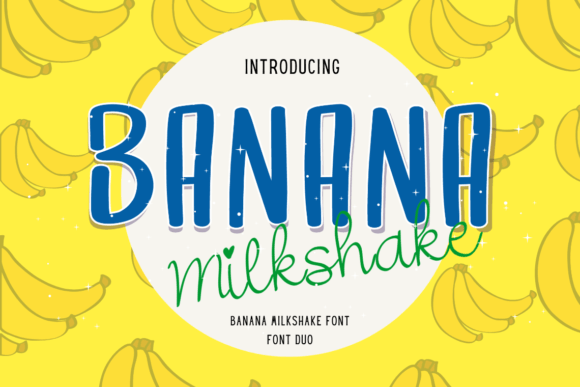
At its core, this font pairing is designed to feel like a celebration. The script component brings a loose, hand-lettered quality—think of someone sketching on a beach towel with a brush pen. It has the kind of organic irregularity that makes digital text feel human, which is exactly what modern audiences respond to. There's warmth in those slightly uneven strokes, a sense that a real person crafted each letter rather than a machine rendering it pixel-perfect.
The accompanying sans serif balances things out beautifully. It's clean without being cold, simple without being forgettable. Where the script font is all personality and movement, this secondary style provides structure and breathing room. Together, they create a visual conversation—like a lively friend paired with a grounded one. You can use them independently for different purposes, or combine them for headlines and subheadings that feel cohesive yet dynamic.
The visual characteristics lean tropical without being cartoonish. You won't find clip-art pineapples or overly literal beach motifs here. Instead, the letterforms themselves carry that breezy, vacation-ready spirit through their curves, weights, and spacing. It's a subtle distinction, but an important one. A font that evokes a mood through its design DNA rather than relying on gimmicks will serve you across many more projects and seasons.
Real-World Applications That Actually Work
Let's talk specifics, because knowing a font looks nice is one thing—understanding where and how to use it is where the real value lives.
Branding and Logo Design: If you're launching a product line with a fresh, approachable personality—think artisanal food brands, boutique skincare, beach-side cafés, or lifestyle blogs—this typeface combination gives your logo instant character. The script element works beautifully as a primary logotype, while the sans serif handles taglines, secondary text, and supporting brand elements. This kind of font pairing strategy is something professional designers use constantly, and now you can apply the same principle without hiring out the work.
Packaging Design: Shelf appeal matters enormously. When a customer scans a crowded display, you have maybe two seconds to make an impression. Fonts with personality and warmth naturally draw the eye, especially when they contrast against cleaner supporting text. Whether you're designing labels for handmade candles, juice bottles, or artisan chocolate bars, this duo gives packaging that handcrafted, small-batch feel that consumers increasingly gravitate toward.
Social Media Graphics: Platforms like Instagram and Pinterest are overwhelmingly visual, and typography plays a bigger role in engagement than most people realize. Quote graphics, sale announcements, story templates, reel covers—each of these benefits from a font that feels approachable and fun. The handwritten script component is particularly effective here because it mimics the casual, authentic tone that performs well on social platforms. Pair it with the sans serif for dates, details, or calls to action, and suddenly your graphics look like a professional designed them.
Website and Blog Design: While you wouldn't set long paragraphs of body copy in a display script, there are plenty of places within web design where a font like this shines. Think hero section headlines, about page headers, newsletter signup banners, or featured post titles. Used strategically, it injects personality into your site without compromising the readability of your core content. The key is restraint—let the font do its job in high-impact moments rather than saturating every element on the page.
Print Materials and Invitations: Wedding invitations, baby shower announcements, birthday party flyers, event posters—these are all contexts where a warm, inviting typeface makes a tangible difference. There's something about receiving a beautifully designed invitation that sets the tone for the entire event. This font duo brings that celebratory energy while remaining legible at various sizes, which is a genuine concern with many script fonts.
Merchandise and Digital Products: Tote bags, mugs, t-shirts, sticker sheets, printable planners, digital wallpapers—the creator economy runs on products that feel personal and distinctive. A unique font choice can be the difference between merchandise that looks generic and something people actually want to buy, wear, or display. If you sell on platforms like Etsy or run a print-on-demand shop, having a go-to creative font in your toolkit saves time and elevates your entire catalog.
Practical Tips for Getting the Most From Your Font
Owning a great font is only the beginning. How you use it determines whether your designs feel polished or chaotic. Here are some grounded recommendations based on real design practice.
Test Before You Commit. Before building an entire brand identity around any typeface, mock up a few different applications. Create a quick logo concept, a social media post, and a business card layout. Does the font hold up across sizes? Does it feel right for your specific audience? A font that works beautifully for a tropical smoothie brand might not suit a wellness retreat targeting a more minimalist aesthetic. Context matters.
Pair Thoughtfully. Since this is a font duo, you already have a natural pairing built in. But if you're working on a larger project that requires additional typefaces—perhaps for body copy or data-heavy sections—consider a neutral sans serif or a classic serif font as a third option. The goal is hierarchy: your most expressive font for headlines, your secondary style for subheadings, and a highly readable option for longer text blocks. Never use three or four decorative fonts together; it creates visual noise.
Respect Readability. Script and handwritten fonts are gorgeous, but they can become illegible at small sizes or when set in all caps. Use the script component for short, impactful text—headlines, logos, pull quotes, single words. Save longer text passages for the sans serif companion. This isn't a limitation; it's how professional typography works. Every font has an ideal context, and playing to each style's strengths produces better results.
Consider Your Licensing Needs. If you're using fonts for commercial projects—and most of you reading this probably are—make sure the license covers your intended use. Whether you're selling products, creating client work, or distributing digital files, understanding the terms of your font license protects you legally and ensures the type designer is fairly compensated. It's a small detail that many creators overlook until it becomes a problem.
Why Font Choice Shapes How People Perceive Your Brand
Typography is one of the most underestimated tools in visual communication. We process visual information far faster than text, which means the style of your lettering communicates before anyone reads a single word. A playful, hand-lettered font tells your audience something entirely different than a rigid, geometric sans serif. Neither is inherently better—they simply speak to different audiences and different brand personalities.
When your typography aligns with your brand's voice, something powerful happens: people trust you faster. Consistency across your visual touchpoints—social media, website, packaging, emails—builds recognition. Your audience starts to associate that particular style with your business, and over time, they can spot your content in a crowded feed without even seeing your name. That's the kind of brand recognition that money can't easily buy; it comes from intentional, cohesive design choices made over and over again.
A font with genuine personality also increases engagement. People linger on designs that feel crafted rather than assembled from default templates. They share graphics that look distinctive. They remember brands that made them feel something. Whether that feeling is nostalgia, joy, excitement, or comfort depends on your specific font choice and how you deploy it—but the underlying principle holds. Thoughtful typography creates emotional connection, and emotional connection drives action.
So whether you're refreshing an existing brand, launching something new, or simply looking for a design asset that brings genuine warmth to your creative projects, investing in a well-made font duo is one of the highest-leverage decisions you can make. It's the kind of detail that separates amateur work from professional results, and it doesn't require a design degree to implement effectively. Sometimes the smallest creative choices make the biggest difference—and the right typeface is proof of that.